
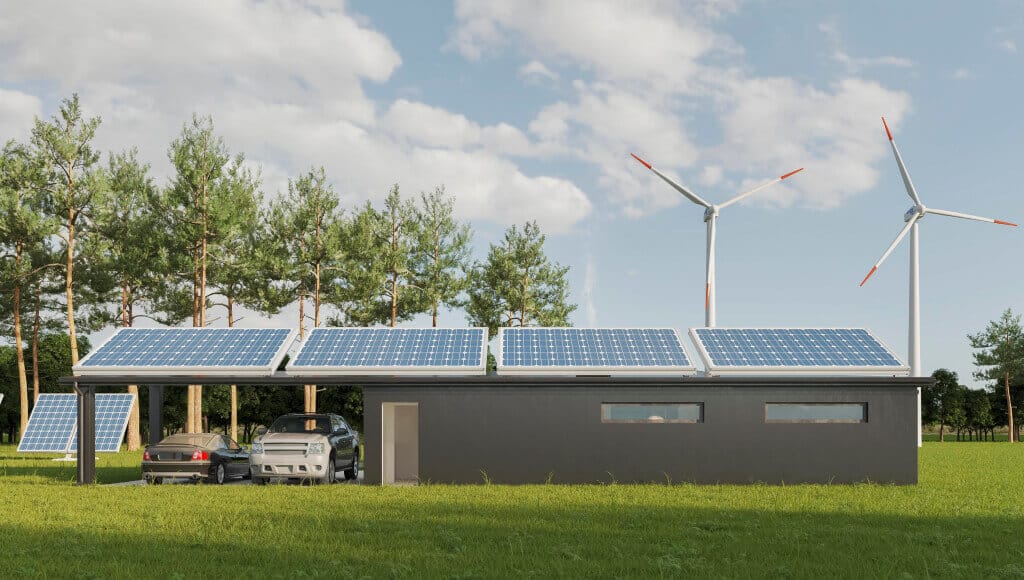
In recent years, domestic photovoltaic systems have experienced exponential growth, especially in countries such as Spain, where annual sunshine hours exceed 2,500. However, to ensure their efficiency and safety, it is crucial to follow rigorous technical protocols. This article explores the essential precautions from installation to maintenance, integrating technical, economic and environmental aspects.
- 1. Pre-installation evaluation
a) Site analysis
Before installing solar panels, a professional should evaluate:
Orientation and shadows: Avoid trees, buildings or obstacles that cast shadows (even partial shadows), as they reduce energy production by up to 20%.
Roof structure: Ensure that it supports the weight (between 15-20 kg/m² for standard panels).
Distance between components: Locate inverters and batteries close to panels to minimize electrical losses.
b) Equipment selection
Panels: Opt for certified brands (e.g. Tier 1) with 25-year warranties.
Inverters: Prefer models with IP65 protection to resist dust and humidity.
Mounting systems: Use anodized aluminum or galvanized steel structures to avoid corrosion.
- 2. Precautions during installation
a) Electrical safety
Connections in watertight boxes: All cables must pass through approved junction boxes, avoiding direct exposure to the weather.
Correct polarity: In direct current (DC) systems, reversing polarity can damage equipment. Use red wires for positive and black for negative.
Integrated protections: Install differential switches and surge protection devices (e.g. varistors).
b) Fire prevention measures
Minimum distances: Leave 15 cm between panels and ceiling for ventilation, preventing overheating.
Fireproof materials: Choose cables with thermosetting insulation (e.g. XLPE) and avoid accumulation of dry sheets under the panels.
c) Mechanical considerations
Anti-corrosion anchors: In coastal areas, use A4 stainless steel screws.
Wind resistance: Structures must withstand gusts of up to 150 km/h (category 1 hurricanes).
- 3. Preventive Maintenance: Key to Longevity
a) Panel cleaning
Frequency: Every 3 months in urban areas; monthly in desert areas.
Proper technique: Use deionized water and soft bristle brushes. Never clean with cold water if the panels are hot@ref
b) Technical reviews
Connections: Tighten terminals every 6 months to prevent resistance losses.
Batteries (if applicable): Measure electrolyte density monthly in lead-acid batteries.
c) Intelligent monitoring
Install systems such as SolarEdge Monitoring to detect:
Microcracks in cells
Inverter failures
Dynamic shading losses
- 4. Legal and financial aspects
a) Processing of permits
In Ecuador, it is required:
Building permit from the municipality
Environmental impact report (for installations >100 kW)
Industry Registration
b) Tax incentives
Personal income tax deductions (up to 60% in some Autonomous Communities)
IBI rebates (50% for 5 years)
c) Return on investment
A 5 kW system costs ≈€7,000, recovering in 6-8 years thanks to savings on bills and surpluses sold to the grid.
- 5. Environmental impact: Beyond CO₂.
Recycling: The 96% of a solar panel is recyclable (glass, aluminum, silicon).
Biodiversity: Studies show that rooftop installations do not affect migratory birds.
Water footprint: Panel manufacturing requires only 0.02 liters/kWh compared to 1.9 liters for coal.
Home photovoltaics is not just technology: it is a commitment to efficiency and ecological responsibility. By following these technical and legal guidelines, households can become pillars of the energy transition.
 English
  Español
  简体中文
简体中文